OEM & ODM DEVELOPMENT
OEM & ODM Grip Socks for Custom Product Development
Develop grip socks from an existing reference, an adapted construction or a new product specification. GripSockSource coordinates product review, sampling, production follow-up and export preparation with specialized manufacturing partners in Zhuji, China.
DEVELOPMENT ROUTES
Three ways to develop a grip sock program
Most projects follow one of three routes. The route determines which decisions are already fixed and which still need technical review before sampling.
| Route | Suited to | What can be adjusted | What you provide |
|---|---|---|---|
| Existing Style + Branding | Building a branded line relatively quickly | Color, logo, sole grip pattern, packaging | Reference style, logo artwork, target quantity |
| Adapted Construction | Adjusting structure or wearing experience | Sock shape, material, sizing, cuff and brand details | A sample or a clear written specification |
| Coordinated ODM Development | A product concept whose specification is not yet complete | Product structure and the full customization package | Use scenario, target market, functional requirements |
Feasibility, tooling implications and any applicable minimum quantity are reviewed per project against the confirmed specification rather than assumed in advance.
DEVELOPMENT SEQUENCE
From a product idea to an executable specification
Each stage produces something the next stage depends on. Skipping a stage usually surfaces as a correction later during sampling or bulk production.
- 01
Brief and scoping
Clarify the end user, market, reference product, target quantity and how the product will be sold.
- 02
Feasibility review
Review the request against available constructions, materials, branding methods and grip options.
- 03
Specification drafting
Turn the agreed direction into written parameters for structure, material, sizing, artwork and packing.
- 04
Sampling and revision
Produce a sample, collect consolidated feedback, and revise against the agreed comments.
- 05
Approval
Confirm the sample and the written specification together as the reference for production.
- 06
Production follow-up
Coordinate partner production, in-process checks, final packing and export preparation.
CONFIRMATION POINTS
Six areas that have to be confirmed together
These decisions interact. Changing one of them can affect tooling, feasibility, cost, sample timing or the minimum quantity that applies, so they are normally reviewed as a set rather than one at a time.
See the full customization scope →- Style and construction — ankle, crew, low-cut, open-top or another structure, and how the cuff and heel are formed.
- Material and yarn — fibre direction, gauge, stretch and the hand feel appropriate to the intended use.
- Size range and fit — the size set to be produced and how compression should feel.
- Logo application — method, position, dimensions and final artwork file.
- Sole grip pattern — material direction, coverage, motif, density and color. See Custom Grip Patterns.
- Packaging — labels, tags, polybags, boxes, barcodes and carton configuration. See Custom Grip Sock Packaging.
PRODUCT REFERENCES
What development decisions look like in practice
Development work is easier to review when each decision is shown as a visual reference alongside its written parameter.
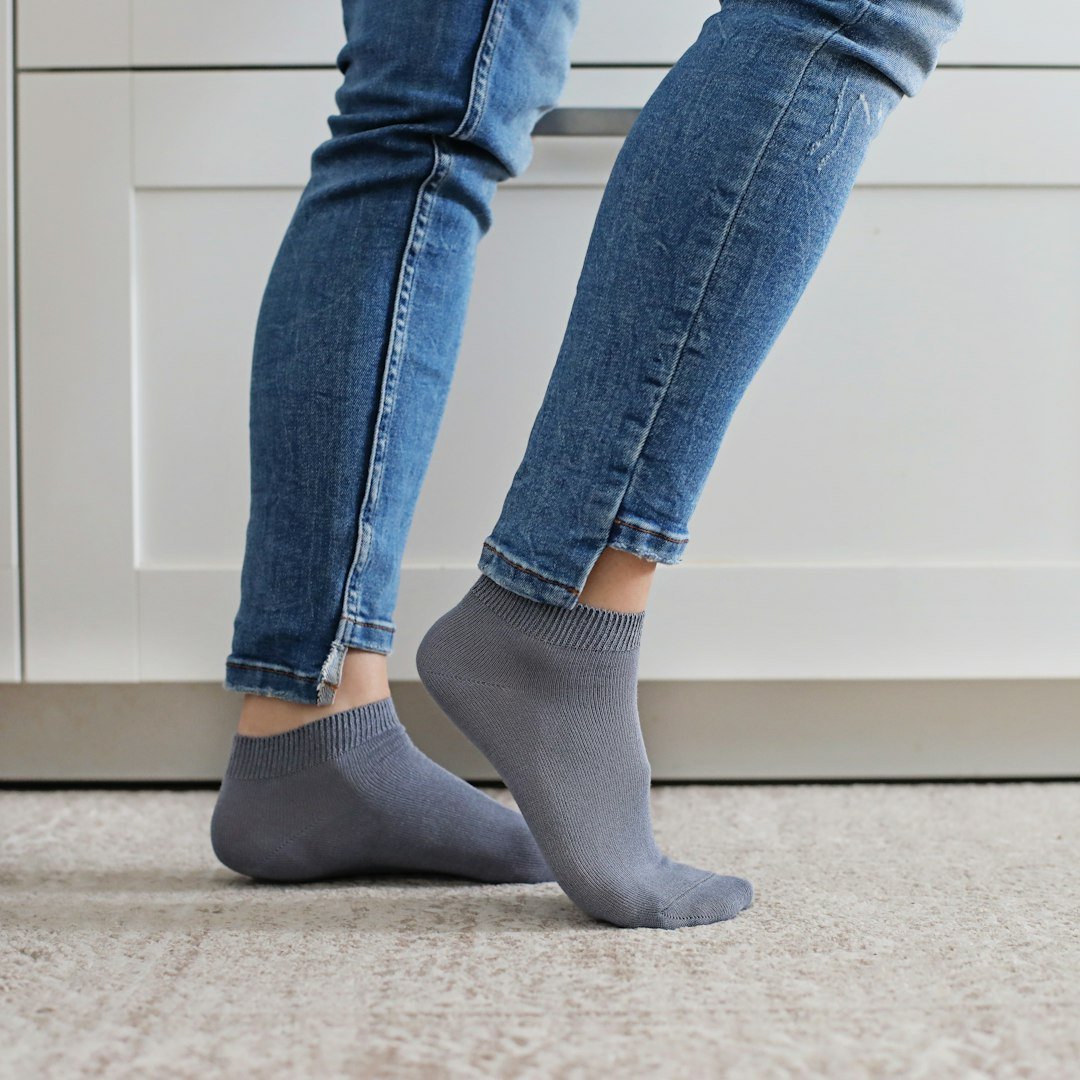
Structure and fit
Length, cuff tension, heel shaping and toe construction determine how the sock sits during movement. These are reviewed against the intended activity before material is selected.
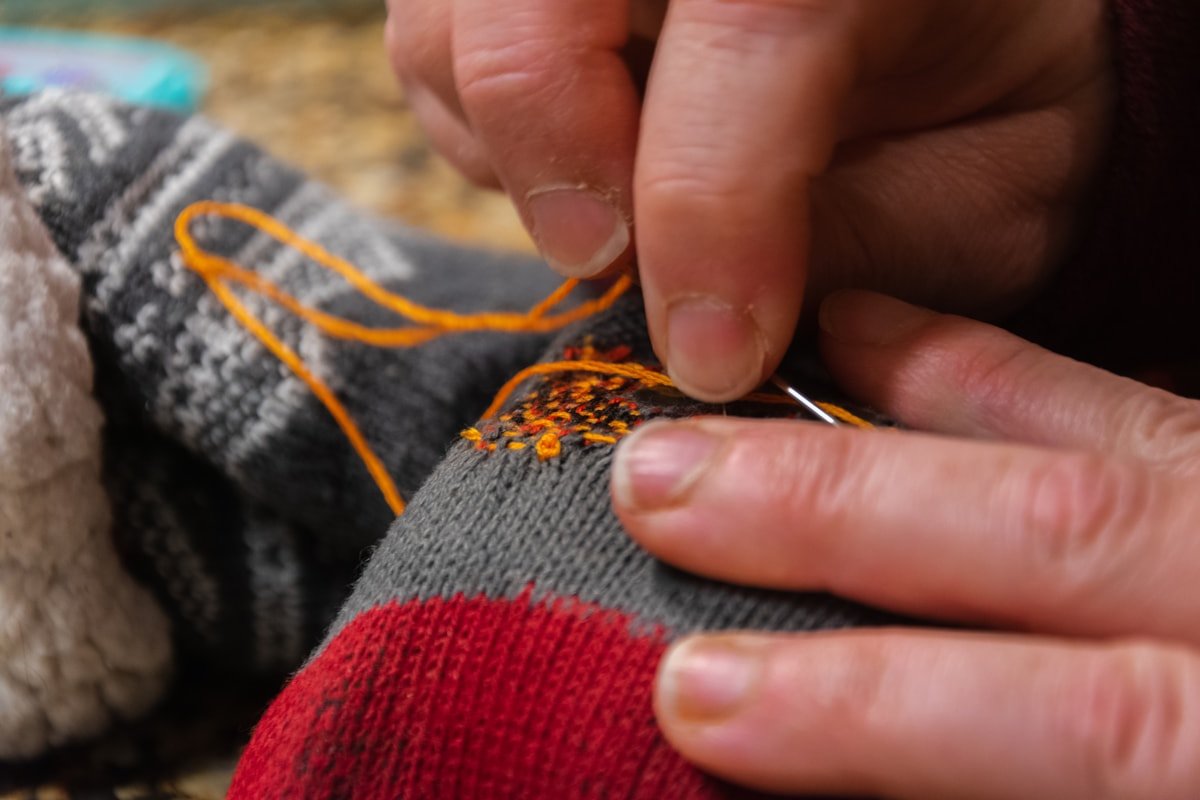
Logo and grip artwork
A brand mark can sometimes be translated into a repeating sole motif, so the grip pattern and the branding reinforce each other instead of competing for the same surface.
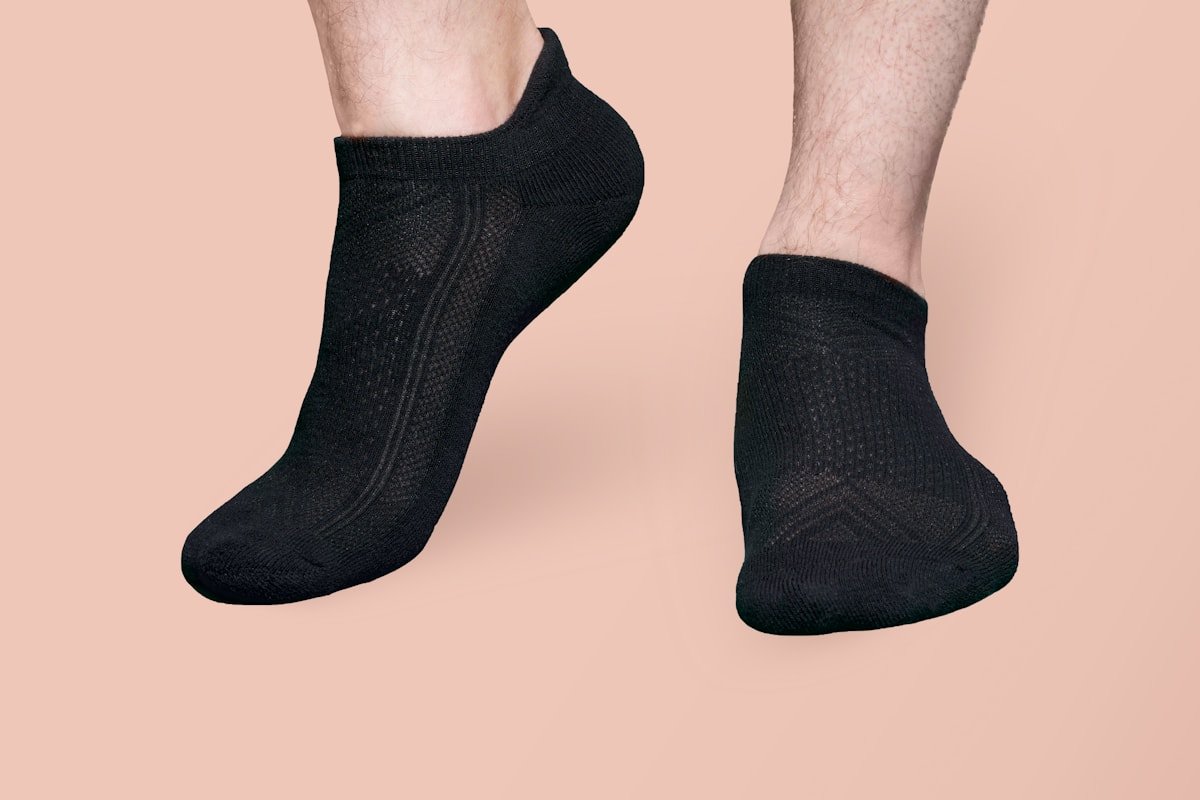
Grip coverage
Coverage can range from a few targeted zones to broad sole coverage. The layout is agreed against the surface the product is used on and the movement pattern involved.

Adapting an existing style
Starting from an existing construction usually shortens development, because structure and fit are already established and only the selected details need to change.
All images on this page are reference images and illustrative development examples. They are not customer projects and do not depict our own production facility.
WORKING DIVISION
Who handles what
Clear division of responsibility is what keeps a development project moving. The buyer owns the commercial and brand decisions; GripSockSource owns coordination and technical follow-up with manufacturing partners.
How we work →| You provide | Target market and end user, use scenario, reference product or concept, brand artwork, target quantity, and feedback at each sample round. |
|---|---|
| GripSockSource coordinates | Feasibility feedback, material and construction recommendations, quotation, the sampling plan, production scheduling, in-process and pre-shipment checks, and export documentation preparation. |
| Manufacturing partners execute | Sock knitting, logo application, sole grip processing, finishing, pressing and packing according to the approved specification. |
| Approval basis | The approved sample together with the written specification, as agreed for the project. |
SAMPLE REVISION
Sample rounds and version confirmation
Samples exist to surface problems before bulk production. Feedback is most useful when it is consolidated per round and tied to a specific version, so the reference being approved is never ambiguous.
See the sampling process →- First sample — tests construction, material and artwork together, and usually returns the largest number of comments.
- Revision sample — adjustments are made against the previous round’s written comments, so changes are not introduced silently between versions.
- Approved reference — once the sample matches the agreed specification, it is confirmed as the production reference.
BEFORE BULK PRODUCTION
What gets confirmed before production starts
These items are agreed and documented before the bulk order is released, so the production run matches the approved sample rather than the other way round.
See manufacturing coordination →- Approved sample — the physical reference for the project.
- Written specification — structure, material, sizing, color references and tolerances in one document.
- Branding files — final logo and grip artwork in production-ready format.
- Packaging specification — labels, bagging, boxes, barcodes and carton configuration.
- Commercial terms — quantity, unit price, payment schedule and delivery terms confirmed in writing.
- Inspection arrangement — what is checked, at which stage, and who signs off the result, as agreed for the project.
START A PROJECT
Discuss an OEM or ODM grip sock program
Send your intended market, a style reference or concept, an estimated quantity and your branding requirements. We will review the request and come back with a project-specific recommendation.